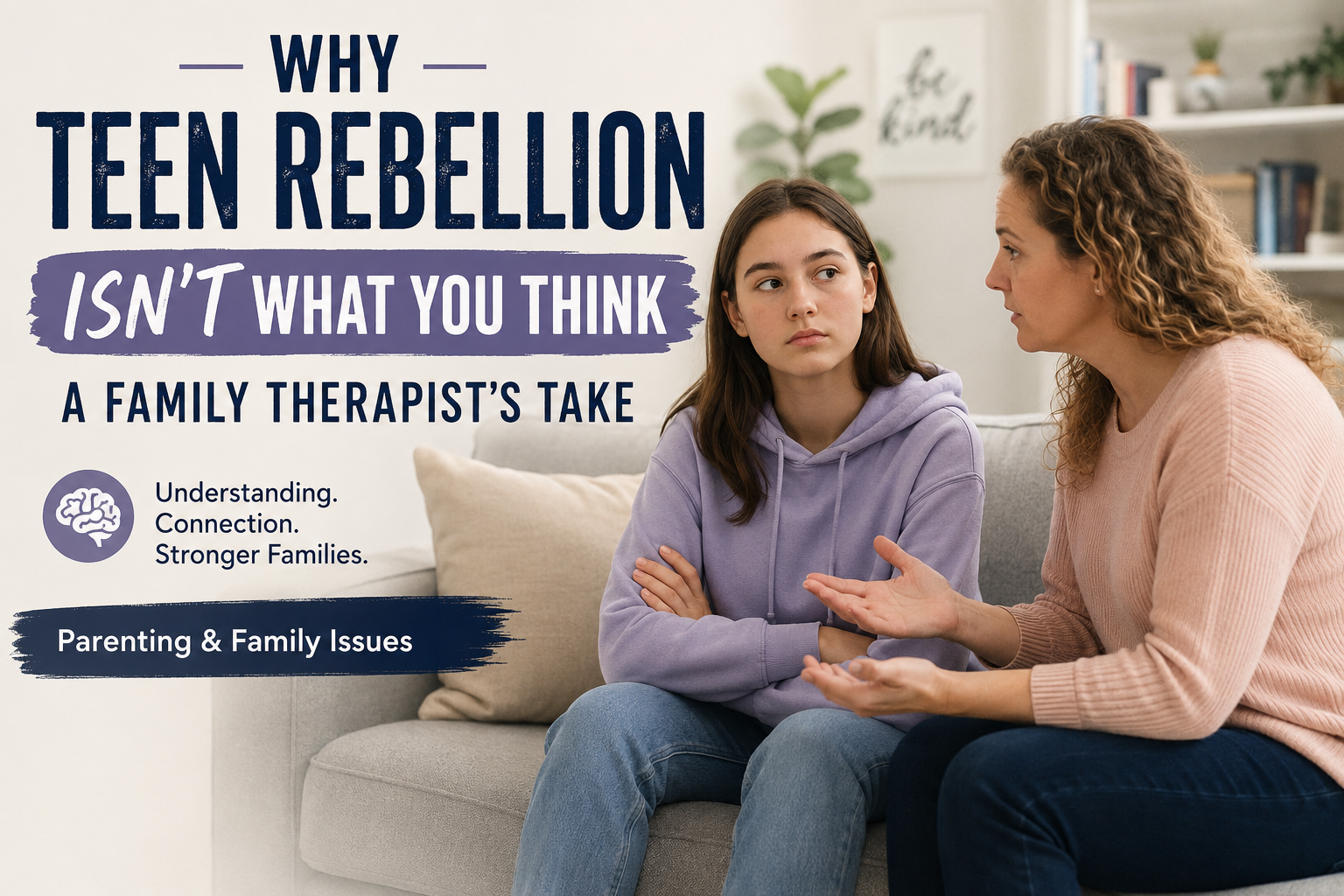
Parenting doesn’t come with a manual, but decades of child development research have revealed one important truth: children thrive when they feel safe, heard, and supported. Positive parenting is not about being a “perfect” parent or saying yes to everything. Instead, it focuses on building strong relationships while teaching responsibility, emotional regulation, and independence.
For families in San Francisco, where busy schedules, academic expectations, and digital distractions can create daily challenges, positive parenting offers practical, evidence-based strategies that strengthen family bonds.
This guide explains what positive parenting is, why it works, and how you can apply it in everyday life.
What Is Positive Parenting?
Positive parenting is a parenting approach that combines warmth, respect, clear boundaries, and consistent guidance.
Instead of relying on punishment or fear, parents teach children through communication, encouragement, and natural learning opportunities.
The primary goals include:
- Building emotional security
- Teaching problem-solving skills
- Encouraging independence
- Developing healthy self-esteem
- Creating respectful parent-child relationships
Research from developmental psychology consistently shows that children raised with supportive, responsive parenting tend to experience better emotional, social, and academic outcomes.

Why Is Positive Parenting Important?
Positive parenting supports healthy brain development during childhood.
When children experience consistent love and guidance, they are more likely to:
- Manage emotions effectively
- Develop confidence
- Build healthy friendships
- Perform better in school
- Solve problems independently
- Handle stress more effectively
- Develop resilience
Rather than controlling behavior through fear, positive parenting teaches children why certain behaviors matter.
What Does Science Say About Positive Parenting?
Researchers studying child development have found that children learn best through secure relationships.
Studies suggest that positive parenting may help:
- Reduce behavioral problems
- Improve emotional regulation
- Lower anxiety levels
- Strengthen family communication
- Improve cooperation
- Increase empathy
- Support healthy mental development
Children whose caregivers respond calmly during stressful situations also learn healthier coping strategies by observing adult behavior.
What Are the Core Principles of Positive Parenting?
Positive parenting is built around several key principles.
1. Connection Before Correction
Children respond better when they feel emotionally connected.
Instead of immediately correcting behavior, acknowledge their feelings first.
Example:
“I know you’re upset because playtime ended.”
Then explain the expectation.
“It’s time to clean up so we can eat dinner.”
2. Consistency Creates Security
Children feel safer when expectations remain predictable.
Consistency includes:
- Similar bedtime routines
- Clear household rules
- Predictable consequences
- Following through on promises
Predictability reduces anxiety and confusion.
3. Respect Goes Both Ways
Positive parenting treats children with respect while expecting respectful behavior in return.
Parents model:
- Calm communication
- Active listening
- Patience
- Empathy
Children often imitate what they regularly observe.
4. Encourage Instead of Constantly Correcting
Praise effort instead of perfection.
Instead of saying:
“You are so smart.”
Try:
“I noticed how hard you worked on that puzzle.”
This encourages a growth mindset.
Positive Parenting vs Traditional Punishment-Based Parenting
| Positive Parenting | Punishment-Based Parenting |
| Teaches skills | Focuses on punishment |
| Builds trust | May create fear |
| Encourages communication | Often discourages open discussion |
| Uses natural consequences | Frequently uses harsh consequences |
| Promotes emotional regulation | May increase emotional reactions |
| Strengthens relationships | Can weaken parent-child connection |
Positive parenting does not eliminate discipline it changes how discipline is delivered.
What Are Simple Positive Parenting Strategies You Can Use Daily?
Small changes often produce meaningful results.
Listen Before Solving
Sometimes children simply want to feel understood.
Instead of immediately offering solutions, ask:
“What happened?”
“How did that make you feel?”
Give Limited Choices
Children appreciate having appropriate control.
Examples include:
- Blue shirt or red shirt?
- Apple slices or bananas?
- Homework before dinner or after dinner?
Choices reduce power struggles.
Set Clear Expectations
Children cannot follow rules they don’t understand.
Instead of saying:
“Behave.”
Try:
“We use quiet voices inside the library.”
Specific expectations are easier to follow.
Stay Calm During Conflict
Children borrow emotional regulation from adults.
When parents remain calm, children are more likely to calm themselves.
Taking a brief pause before responding can prevent unnecessary escalation.
Focus on Problem Solving
After conflict, ask:
- What happened?
- What can we do differently next time?
- How can we fix the situation?
This teaches responsibility rather than shame.
How Can Parents Encourage Good Behavior Without Rewards?
Positive parenting emphasizes internal motivation.
Instead of relying only on prizes or treats, parents can:
- Notice positive behaviors
- Offer sincere encouragement
- Celebrate effort
- Spend quality one-on-one time
- Show appreciation
- Create family traditions
Children who feel valued often become naturally cooperative.
Common Positive Parenting Mistakes to Avoid
Even experienced parents make mistakes.
Avoid these common habits:
- Yelling before listening
- Giving inconsistent consequences
- Expecting perfection
- Comparing siblings
- Overusing rewards
- Ignoring children’s emotions
- Solving every problem for them
Progress matters more than perfection.
How Can Positive Parenting Help During Difficult Moments?
Every family experiences challenging days.
Positive parenting can help during situations like:
Tantrums
Remain calm, validate emotions, and wait until your child is ready to talk.
Homework Battles
Break tasks into smaller steps and encourage effort instead of focusing only on grades.
Sibling Conflicts
Guide children to express feelings respectfully instead of choosing sides immediately.
Screen Time Disagreements
Create family technology rules together and apply them consistently.
Positive Parenting Tips for Busy San Francisco Families
Life in San Francisco often includes demanding work schedules, commuting, extracurricular activities, and academic pressure.
Simple habits can strengthen family relationships despite busy routines.
Consider these ideas:
- Eat one meal together daily
- Create screen-free family time
- Read together before bedtime
- Take neighborhood walks
- Practice gratitude at dinner
- Schedule one-on-one time with each child
- Keep bedtime routines predictable
Even 15–20 minutes of focused connection each day can strengthen parent-child relationships.
When Should Parents Seek Professional Parenting Support?
Every parent encounters situations that feel overwhelming.
Professional guidance may help if you notice:
- Frequent family conflict
- Constant power struggles
- Aggressive behavior
- Persistent anxiety
- Emotional withdrawal
- Difficulty communicating
- Major life transitions affecting the family
Seeking parenting support is not a sign of failure. It reflects a commitment to learning effective strategies that benefit the entire family.
Many family therapists and parenting professionals in San Francisco help parents develop communication techniques, emotional coaching skills, and age-appropriate discipline strategies tailored to their family’s needs.
Frequently Asked Questions
Does positive parenting mean never saying no?
No. Positive parenting includes clear boundaries. Parents still set limits but explain expectations respectfully and consistently.
Is positive parenting effective for teenagers?
Yes. While strategies evolve with age, communication, empathy, and consistent boundaries remain effective throughout adolescence.
Can positive parenting reduce tantrums?
It often helps by improving emotional regulation, communication, and consistency. Tantrums may not disappear completely, but many children learn healthier ways to express emotions over time.
How long does it take to see results?
Every child is different. Some families notice improvements within a few weeks, while long-term relationship benefits continue developing over months and years.
Can positive parenting work for strong-willed children?
Yes. Strong-willed children often respond well to respectful communication, consistent expectations, limited choices, and collaborative problem-solving.
Final Thoughts
Positive parenting is not about raising perfect children it is about creating a secure environment where children can learn, grow, and build confidence through guidance rather than fear. By focusing on connection, consistency, empathy, and respectful communication, parents help their children develop lifelong emotional and social skills. For San Francisco families navigating the demands of modern life, these science-backed strategies provide practical tools to reduce conflict, strengthen relationships, and support healthy child development. Remember that every positive interaction, no matter how small, contributes to a stronger parent-child bond. Over time, those everyday moments of patience, encouragement, and understanding become the foundation for resilient, confident, and emotionally healthy children.