Career burnout can make even a successful professional feel exhausted, disconnected, and overwhelmed. In San Francisco, where demanding careers, expensive living costs, and pressure to keep progressing can overlap, work-related stress may become difficult to manage.
But career burnout is more than feeling tired after a long day. It can affect your motivation, relationships, health, and ability to enjoy the life you have worked hard to build.
This guide explains why career burnout is a growing concern for San Francisco professionals, how to recognize the warning signs, and what practical steps you can take to start feeling more like yourself again.
What Is Career Burnout?
Career burnout is a state of prolonged work-related stress that leaves a person feeling emotionally or physically exhausted, increasingly detached from their job, and less effective at work.
The World Health Organization classifies burnout as an occupational phenomenon, not a medical condition. It describes three main dimensions:
- Exhaustion: Feeling depleted and struggling to recover between workdays.
- Mental distance: Becoming cynical, detached, or increasingly negative about your job.
- Reduced professional efficacy: Feeling less capable or effective in your work.
Burnout is not simply a sign that someone is weak, unmotivated, or bad at managing time. It can develop when workplace demands remain high while support, control, and opportunities for recovery are insufficient.
Why Is Career Burnout Such a Concern in San Francisco?
San Francisco professionals may face a combination of workplace expectations and financial pressures that makes it difficult to switch off and recover.
The city has a diverse professional environment, including technology, healthcare, finance, education, hospitality, and creative industries. Each has different demands, but workers across these fields may experience intense workloads, uncertainty, and pressure to perform.
Here are some common contributing factors.
1. High Cost of Living Creates Constant Pressure
San Francisco’s housing and everyday expenses can make financial security feel closely tied to career success.
When a large portion of someone’s income goes toward rent, transportation, childcare, or other essentials, taking time off or changing jobs may feel financially risky.
For example, imagine a marketing specialist who wants to leave a stressful position but worries about losing employer-sponsored benefits or being unable to cover monthly rent. Even when work becomes overwhelming, financial concerns may make it difficult to consider alternatives.
Why it matters: Financial pressure can make it harder to establish boundaries, take recovery time, or explore a different career path.
2. High-Performance Work Culture Can Make Overworking Feel Normal
Some workplaces reward rapid delivery, constant availability, and ambitious performance targets.
In competitive professional environments, employees may begin to feel that they must always be productive to remain valuable.
This can lead to habits such as:
- Checking work messages late at night.
- Skipping lunch to finish assignments.
- Taking on extra responsibilities without additional support.
- Feeling guilty when taking vacation time.
- Comparing personal progress with colleagues.
Over time, these habits can reduce opportunities for meaningful rest.
3. Remote and Hybrid Work Can Blur Personal Boundaries
Remote and hybrid work arrangements can offer flexibility, but they can also make it harder to separate professional responsibilities from personal life.
A worker may finish a scheduled workday but continue answering messages from the sofa, reviewing documents during dinner, or thinking about tomorrow’s deadlines before going to sleep.
When work follows someone everywhere, their home may stop feeling like a place to recover.
4. Career Uncertainty Can Increase Stress
Professionals may experience uncertainty about promotions, layoffs, changing job requirements, organizational restructuring, or the need to learn new skills.
In fast-changing industries, employees can feel pressure to keep up with new tools and expectations while managing their existing workload.
The result may be a persistent feeling of being behind, even when someone is meeting their responsibilities.
Important distinction: Career ambition is not inherently harmful. The problem arises when the pressure to achieve leaves little room for rest, relationships, or personal well-being.
What Are the Warning Signs of Career Burnout?
Career burnout often develops gradually. You might initially notice that you feel tired more frequently, then realize that activities you once enjoyed no longer feel rewarding.
Recognizing these changes early can help you decide when to make adjustments or seek professional support.
Emotional and Mental Signs
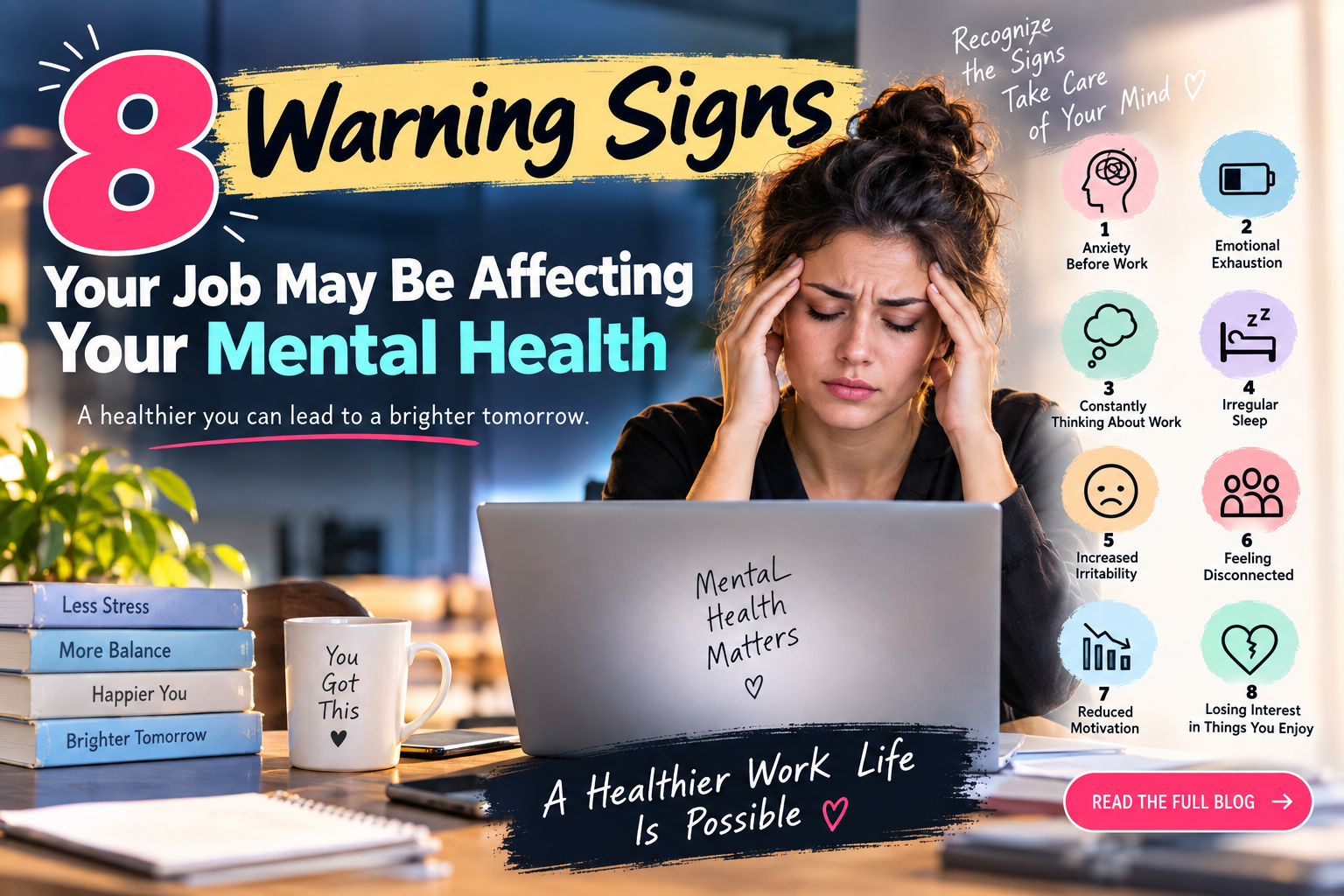
- Feeling overwhelmed by ordinary work tasks.
- Becoming irritable with coworkers, clients, or family members.
- Losing motivation for projects that once excited you.
- Feeling detached, numb, or increasingly cynical about work.
- Experiencing persistent worry about deadlines or performance.
- Struggling to concentrate or make everyday decisions.
Physical and Behavioral Signs
- Feeling exhausted even after sleeping.
- Experiencing frequent headaches or muscle tension.
- Having difficulty falling asleep or staying asleep.
- Withdrawing from friends and social activities.
- Skipping meals, exercise, or activities that usually help you recharge.
- Relying increasingly on caffeine or other habits to push through the day.
These experiences can have many causes. Burnout may overlap with anxiety or depression, so persistent or severe symptoms deserve attention from a qualified healthcare professional.
A Real-Life Example: When Career Success Stops Feeling Rewarding
Meet Maya, a fictional San Francisco marketing professional.
Maya has spent several years building her career. She earns a steady income, manages multiple client accounts, and is known for delivering projects on time.

At first, she enjoys the challenge. But after several months of shifting deadlines, late-night messages, and additional responsibilities, her routine begins to change.

She starts checking emails before getting out of bed. She cancels dinner plans because she is too exhausted to socialize. Even when a major campaign succeeds, she feels relief rather than excitement.

Eventually, she realizes that her work is consuming nearly all her energy.

Maya's turning point comes when she discusses her workload with her manager, identifies tasks that can be redistributed, and begins protecting time outside work. She also seeks professional support to understand her ongoing stress.

The takeaway: Maya's experience illustrates how someone can appear successful professionally while struggling privately. Her situation is fictional, but the pattern is a useful example of why burnout can be difficult to recognize.
Career Burnout vs. Everyday Work Stress: What’s the Difference?
Work stress and burnout are related, but they are not interchangeable.
| Everyday work stress | Career burnout |
| Often connected to a specific challenge or deadline | Often develops after prolonged, unresolved work stress |
| May ease after completing a demanding task | May persist even after a break or successful project |
| You may still feel engaged and motivated | You may feel detached, depleted, or ineffective |
| Short-term changes may provide relief | May require sustained changes and additional support |
For example, feeling nervous before an important presentation does not automatically mean you are experiencing burnout. However, feeling persistently exhausted, disconnected, and unable to recover over an extended period may indicate a deeper problem.
A vacation can provide a welcome break, but it may not resolve the underlying conditions that caused burnout.
How Career Burnout Can Affect Your Personal Life
Burnout does not always stay within the workplace. It can spill into relationships, routines, and personal goals.
Relationships and Social Life
When work consumes most of your energy, you may have less patience or emotional availability for the people around you.
You might cancel plans, avoid conversations, or feel irritated by small requests from family members.
Physical Well-Being
Prolonged stress can affect sleep, appetite, and daily energy. Some people also experience physical tension, headaches, or other stress-related symptoms.
These symptoms should not automatically be attributed to burnout; a healthcare professional can help assess other possible causes.
Confidence and Career Satisfaction
Burnout can make capable professionals question their abilities.
A person who previously enjoyed solving difficult problems may begin thinking, “Maybe I’m not good enough for this job,” when their exhaustion is actually making their work feel harder.
This is one reason it helps to distinguish between a person’s abilities and the conditions under which they are working.
How to Recover From Career Burnout in San Francisco
Recovery usually requires more than telling yourself to relax. It involves understanding what’s draining you, creating opportunities to recover, and addressing the conditions that keep the stress going.
1. Identify What’s Actually Causing Your Burnout
Start by looking for patterns rather than blaming yourself.
Ask:
- Am I working more hours than I can realistically sustain?
- Do I have enough control over my schedule?
- Are expectations clear and achievable?
- Do I receive adequate support from my manager or team?
- Is financial pressure making it difficult to consider changes?
- Have I lost interest in my current role, or am I simply exhausted?
Write down your observations for a week or two. You may discover that a particular responsibility, workplace conflict, or lack of boundaries is contributing significantly to your stress.
2. Set Realistic Boundaries Around Work
Boundaries help protect time and energy for activities outside your job.
Try starting with manageable changes:
- Establish a reasonable time to finish work.
- Turn off nonessential notifications after hours.
- Take your scheduled lunch break away from your desk.
- Avoid volunteering for additional work when your current workload is already full.
- Set expectations about response times with colleagues.
- Protect time for sleep, relationships, and personal activities.
If your role requires occasional after-hours availability, clarify what is genuinely urgent and what can wait until the next working day.
3. Talk to Your Manager About Workload
If workload is a major source of burnout, discuss specific changes rather than simply saying you feel stressed.
For example, you could say:
“I’m currently managing several high-priority projects, and the deadlines are overlapping. Can we review which tasks need to be completed first and whether any responsibilities can be reassigned?”
This approach makes the conversation practical and gives your manager an opportunity to address workload, priorities, or staffing concerns.
If your workplace does not feel safe for this conversation, consider whether HR, an employee assistance program, a trusted colleague, or an external professional could provide support.
4. Rebuild Your Recovery Routine
Recovery requires consistent opportunities to step away from work.
You do not need an expensive wellness program or a perfect daily schedule to begin.
A simple daily reset

Morning: Start without rushing
Give yourself a little time before opening work messages. Try a short walk, breakfast, or a few quiet minutes.

Midday: Take a genuine break
Step away from your screen, eat a proper meal, or spend a few minutes outdoors.

Evening: Create a transition
Close your workday with a short checklist, then move into an activity unrelated to your job.
5. Reconnect With People and Activities Outside Work
Burnout can gradually shrink your world until work becomes the main thing you think about.
Make space for relationships and interests that remind you that your identity is bigger than your job.
You could:
- Arrange a low-pressure coffee with a friend.
- Spend time with family without checking work notifications.
- Return to a hobby you have neglected.
- Explore a local park or neighborhood.
- Join a recreational, creative, or community activity.
- Make plans that do not revolve around career networking.
The goal is not to turn your free time into another productivity project. It is to create room for enjoyment, connection, and rest.
Should You Change Jobs or Try to Improve Your Current Situation?
If you are experiencing career burnout, you may wonder whether you should leave your job or try to make it more sustainable.
There is no universal answer. The right next step depends on what is causing your distress, what changes are possible, and what financial or personal constraints you need to consider.
| Consider improving your current role | Consider exploring a career change |
| Workload may be reduced or redistributed | Excessive demands remain despite repeated discussions |
| Your manager is willing to address concerns | Your concerns are repeatedly dismissed |
| You still find parts of your work meaningful | Your role no longer aligns with your priorities |
| The main problems appear changeable | The conditions causing distress seem persistent |
Important: You do not have to resign immediately to take burnout seriously. If you are considering leaving, review your finances, benefits, healthcare coverage, and available alternatives before making a decision.
A gradual transition, internal transfer, temporary leave, or change in responsibilities may be worth exploring, depending on your circumstances.
When Should You Consider Professional Counseling for Career Burnout?
Professional counseling may help when work-related stress begins affecting your emotional well-being, relationships, sleep, or ability to manage everyday responsibilities.
A counselor can help you explore the thoughts, habits, workplace pressures, and personal circumstances contributing to your distress.
What Can Career Burnout Counseling Help With?
Depending on your needs and the counselor’s approach, sessions may help you:
- Recognize patterns that contribute to chronic stress.
- Develop practical coping and emotional regulation skills.
- Address perfectionism, self-criticism, or difficulty setting boundaries.
- Explore career uncertainty and work-related decisions.
- Improve communication and relationship skills.
- Reconnect with personal values and interests outside work.
Counseling does not replace necessary changes to an unreasonable workload or harmful working conditions. It can, however, provide support while you evaluate your options and work toward sustainable changes.
How to Find a Counselor in San Francisco
When looking for a therapist or counselor in San Francisco, consider:
- Professional qualifications: Check the provider’s license, credentials, and relevant experience.
- Area of focus: Ask whether they work with occupational stress, anxiety, work-life balance, or career transitions.
- Practical arrangements: Review session fees, insurance coverage, location, and telehealth options.
- Personal fit: Consider whether you feel comfortable discussing work, relationships, and personal challenges with them.
- Treatment approach: Ask how they typically help clients manage ongoing stress and build healthier patterns.
You can also ask your healthcare provider or employee assistance program about available referrals.
If symptoms are severe, persistent, or interfering significantly with daily life, seek assessment from a qualified healthcare professional rather than relying on self-help strategies alone.
What Can Employers Do to Reduce Career Burnout?
Burnout prevention is not solely an employee’s responsibility. Employers also influence working conditions, workloads, and access to support.
The World Health Organization’s description of burnout emphasizes chronic workplace stress that has not been successfully managed.
Organizations can take practical steps to reduce avoidable stressors.
Workplace Changes That May Help
- Manage workloads: Set realistic deadlines and review staffing needs.
- Clarify expectations: Make priorities and responsibilities clear.
- Respect time off: Avoid creating an expectation of constant availability.
- Encourage communication: Give employees safe ways to raise concerns.
- Provide meaningful flexibility: Where possible, offer reasonable control over schedules and work arrangements.
- Support employee well-being: Make appropriate mental health resources accessible.
- Review workplace culture: Address persistent conflict, unfair treatment, or unrealistic performance expectations.
For example, if several employees consistently work late to meet deadlines, simply offering a wellness workshop may not address the central problem. Reviewing project timelines, staffing, and workload distribution may be necessary too.
A 7-Day Plan to Start Addressing Career Burnout
You do not need to change your entire life in one day. A small, realistic plan can help you begin identifying what needs to change.
Your first week
- Notice and write down your main work-related stressors.
- Take one proper break during each workday.
- Set one achievable boundary around work messages or hours.
- Discuss priorities or workload with someone you trust, if appropriate.
- Make time for one enjoyable activity unrelated to work.
- Research counseling or healthcare support if symptoms persist.
- Review what helped and choose one change to continue.
This plan is a starting point, not a deadline. If a task feels overwhelming, make it smaller or focus on getting support first.
Take the First Step Toward a Healthier Work-Life Balance
Career burnout can make it difficult to enjoy the career, relationships, and opportunities you have worked hard to build. But recognizing the problem is an important first step toward making meaningful changes.
If you are a San Francisco professional struggling with persistent work-related stress, you do not have to navigate it alone.
Consider what is draining your energy, identify the changes you can realistically make, and seek support when you need it. Whether that means setting healthier boundaries, discussing your workload, exploring a career transition, or speaking with a counselor, small steps can help you move toward a more sustainable way of working.
Looking for support with work-related stress?
Explore Counseling Support in San Francisco
If career pressure, anxiety, or ongoing stress is affecting your daily life, professional counseling may provide a supportive space to explore your concerns and develop practical coping strategies.