Every relationship goes through ups and downs. If you’ve been feeling emotionally distant from your partner, you may wonder whether it’s a normal phase or a sign that something is seriously wrong.
The short answer is yes, it is normal to feel disconnected from your partner at times. Work stress, parenting, financial challenges, health concerns, and everyday responsibilities can all reduce emotional closeness. According to many therapists, temporary disconnection doesn’t necessarily mean the relationship is failing. Instead, it often signals that the relationship needs more attention and intentional communication.
If the feeling continues for a long time, seeking Relationship Counseling San Francisco can help couples understand what’s causing the distance and learn practical ways to reconnect.
Is It Normal to Feel Disconnected from Your Partner?
Yes. Emotional disconnection is common in long-term relationships.
Most couples experience periods where they don’t feel as close as they once did. Daily routines, busy schedules, and life changes can slowly replace meaningful conversations and quality time.
Feeling disconnected becomes a concern when it lasts for several months, affects daily interactions, or neither partner makes an effort to improve the relationship.
Temporary distance is normal. Ignoring it for too long is not.
What Does Emotional Disconnection Feel Like?
Emotional disconnection means you no longer experience the same level of closeness, understanding, or intimacy with your partner.
Common signs include:
- Conversations feel short or forced.
- You spend more time on your phone than talking.
- Physical affection becomes less frequent.
- You stop sharing personal thoughts.
- You feel lonely even when you’re together.
- Small disagreements happen more often.
- You avoid discussing important issues.
Many couples don’t notice these changes immediately because emotional distance usually develops gradually.
Why Do Couples Feel Disconnected?
There isn’t usually one single reason.
Instead, emotional distance often develops because several challenges happen at the same time.
Common causes include:
- Busy careers
- Parenting responsibilities
- Financial stress
- Mental health concerns
- Lack of quality time
- Poor communication
- Unresolved conflicts
- Different expectations
- Major life transitions
- Emotional exhaustion
Understanding the root cause is the first step toward rebuilding your connection.
Emotional Disconnection vs. Falling Out of Love
Many people confuse emotional distance with the end of a relationship.
Here’s the difference:
| Emotional Disconnection | Falling Out of Love |
| Often temporary | Usually develops over a longer period |
| Love still exists | Romantic feelings may significantly decline |
| Communication can improve the situation | Emotional investment may continue to decrease |
| Usually caused by stress or life changes | Often involves deeper relationship dissatisfaction |
| Can often be repaired with effort or therapy | May require difficult relationship decisions |
A therapist can help determine whether you’re experiencing temporary disconnection or deeper relationship concerns.
Can Stress Create Emotional Distance?
Yes.
Stress is one of the biggest reasons couples feel disconnected.
When people experience ongoing stress, they often have less emotional energy available for their relationships.
Examples include:
- Work deadlines
- Financial pressure
- Caring for children
- Health problems
- Family responsibilities
- Lack of sleep
Instead of turning toward each other for support, partners sometimes unintentionally withdraw.
Recognizing stress as the problem not each other can strengthen the relationship.
How Can You Reconnect With Your Partner?
Rebuilding connection usually starts with small, consistent actions.
Try these practical strategies:
- Schedule uninterrupted time together.
- Put phones away during meals.
- Ask meaningful questions.
- Listen without interrupting.
- Express appreciation every day.
- Bring back date nights.
- Hug or hold hands regularly.
- Be curious instead of critical.
- Practice forgiveness when appropriate.
- Celebrate small achievements together.
Strong relationships are rarely maintained through grand gestures alone. Daily habits matter more.
What Should You Say If You Feel Disconnected?
Honest communication often opens the door to reconnection.
Instead of blaming your partner, focus on expressing your own feelings.
Helpful conversation starters include:
- “I’ve been feeling distant lately.”
- “I miss spending quality time together.”
- “Can we talk about how we’re both feeling?”
- “I’d love for us to reconnect.”
Using calm, respectful language encourages productive conversations instead of defensive reactions.
When Should You Seek Professional Help?
Sometimes couples need outside support.
You may benefit from Relationship Counseling San Francisco if:
- You have the same argument repeatedly.
- Communication always becomes defensive.
- Emotional distance lasts for several months.
- Trust has been damaged.
- Physical intimacy has significantly decreased.
- One or both partners feel emotionally alone.
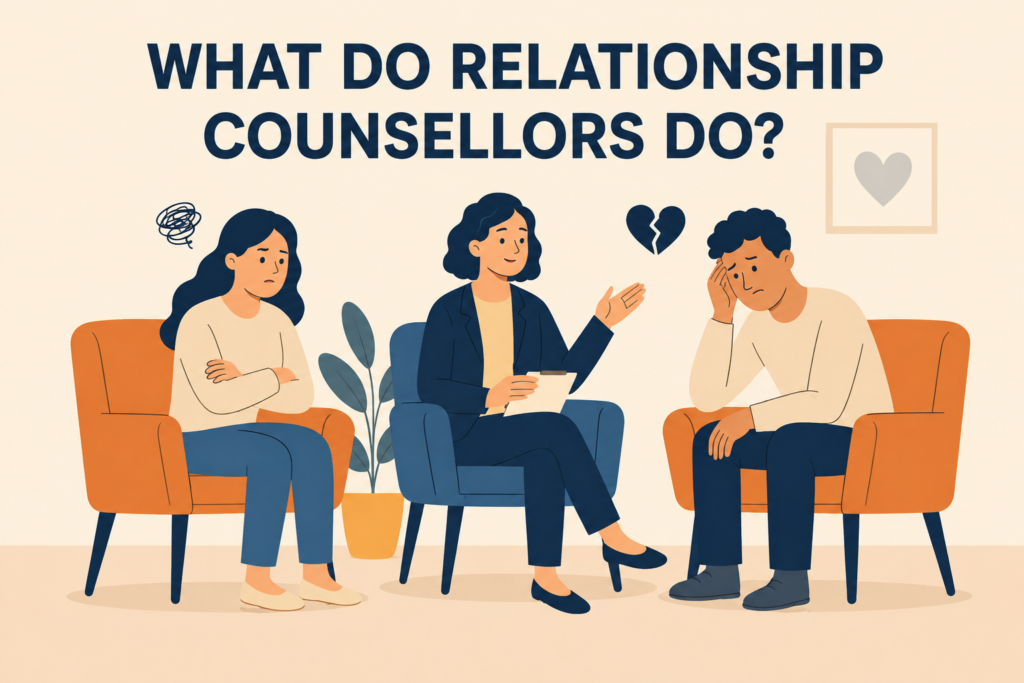
Relationship counseling provides a neutral environment where both partners can communicate openly and learn healthier relationship skills.
Seeking therapy isn’t a sign of failure. It’s often a sign that both partners value the relationship enough to invest in it.
How Does Relationship Counseling San Francisco Help?
Relationship Counseling San Francisco offers evidence-based strategies that help couples strengthen communication and rebuild emotional intimacy.
A licensed therapist may help you:
- Identify unhealthy communication patterns.
- Understand each partner’s emotional needs.
- Resolve recurring conflicts.
- Rebuild trust.
- Improve conflict resolution.
- Strengthen emotional and physical connection.
- Develop long-term relationship habits.
Many couples discover that therapy not only resolves current problems but also prevents future ones.
Can Relationships Recover After Emotional Disconnection?
Yes.
Many couples successfully rebuild stronger relationships after periods of emotional distance.
Recovery becomes more likely when:
- Both partners are willing to communicate.
- There is mutual respect.
- Each person accepts responsibility for their behavior.
- Trust can be rebuilt.
- Both partners consistently work toward improvement.
Relationships often become healthier after overcoming challenges because couples develop better communication and deeper understanding.
Small Daily Habits That Strengthen Your Relationship
Healthy relationships are built through consistent actions.
Simple habits include:
- Say “good morning” and “good night.”
- Share one positive moment from your day.
- Thank your partner regularly.
- Eat one meal together without distractions.
- Laugh together.
- Ask how you can support each other.
- Spend at least 15 minutes talking every day.
- Show affection through hugs or hand-holding.
These small habits create emotional security over time.
Final Thoughts
Feeling disconnected from your partner is more common than many people realize. Relationships naturally change over time, and periods of emotional distance don’t automatically mean love has disappeared.
The most important step is addressing the disconnection instead of ignoring it. Honest conversations, consistent daily effort, and shared quality time can often restore emotional closeness. If you’re struggling to reconnect on your own, Relationship Counseling San Francisco can provide professional guidance, practical communication tools, and a supportive space to strengthen your relationship. Seeking help early can make it easier to rebuild trust, improve understanding, and create a healthier, more fulfilling partnership for the future.