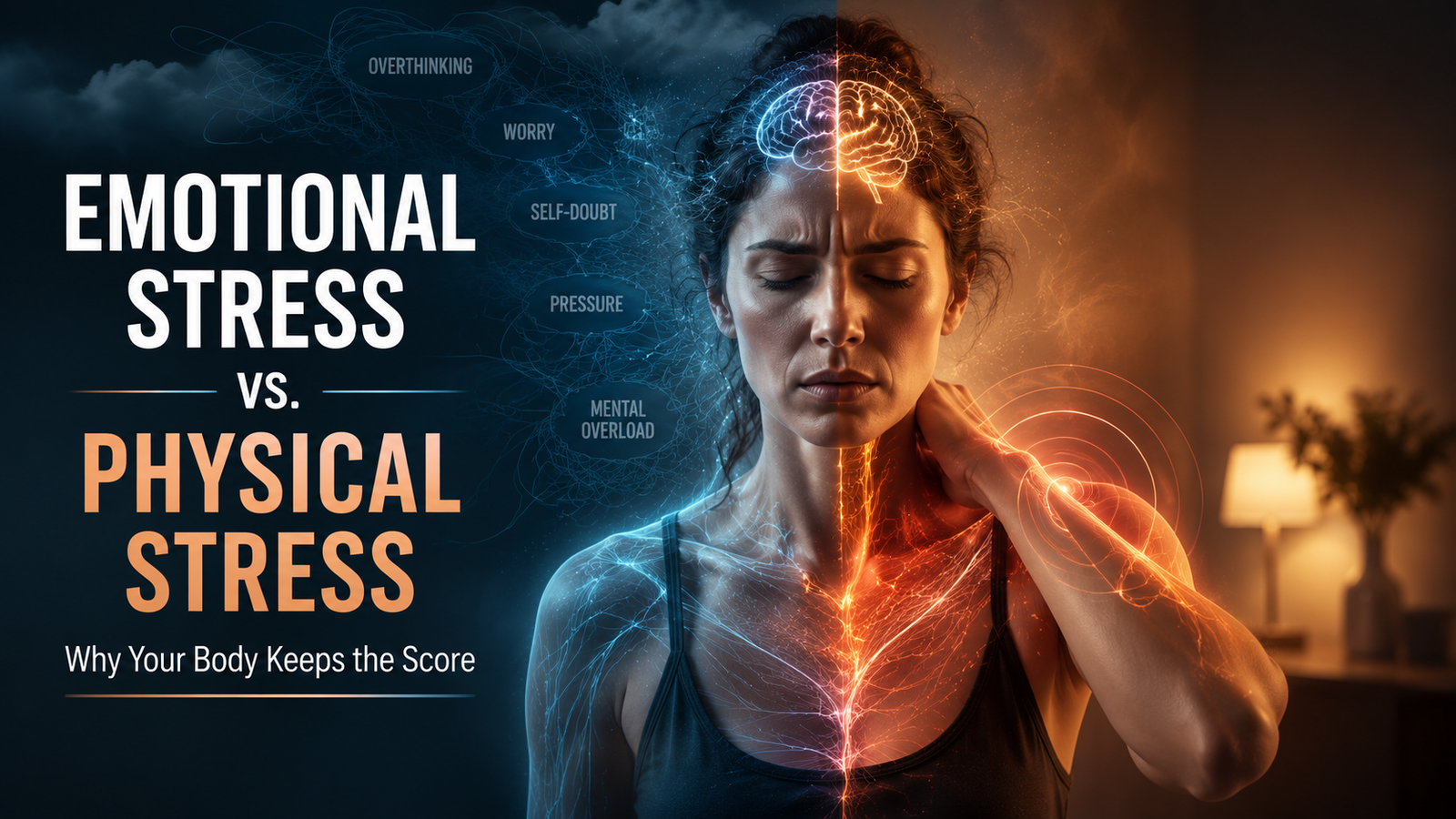
Stress is not “just in your head.” Whether it comes from emotional pressure, physical demands, or a combination of both, stress can affect your sleep, energy, concentration, mood, muscles, digestion, and overall well-being.
But what is the difference between emotional stress and physical stress? And what happens when emotional stress continues for too long?
Understanding how stress affects both the mind and body can help you recognize warning signs earlier and know when professional support may be helpful.
What Is Emotional Stress?
Emotional stress is the mental and emotional response to situations that feel overwhelming, threatening, uncertain, or difficult to manage.
It can develop because of relationship problems, work pressure, grief, financial concerns, major life changes, family conflict, or ongoing anxiety.
Common sources of emotional stress include:
- Relationship difficulties
- Workplace pressure or burnout
- Family conflict
- Grief and loss
- Financial uncertainty
- Major life transitions
- Social isolation
- Persistent worry or anxiety
- Feeling overwhelmed by responsibilities
Emotional stress may not always have an obvious physical cause, but the body can still react strongly to it.
What Is Physical Stress?

Physical stress is the body’s response to physical demands, strain, illness, injury, lack of sleep, or other physiological challenges.
Examples include intense exercise, physical exhaustion, chronic pain, illness, poor nutrition, and inadequate recovery.
Physical stress can also occur when your body does not receive enough rest.
Signs may include:
- Muscle tension
- Headaches
- Fatigue
- Sleep difficulties
- Changes in appetite
- Digestive discomfort
- Increased heart rate
- Physical exhaustion
Importantly, emotional and physical stress are not completely separate. They can influence each other.
Emotional Stress vs. Physical Stress: What’s the Difference?
The easiest way to understand the difference is to look at where the stress response begins and how it affects you.
| Emotional Stress | Physical Stress |
| Often begins with thoughts, emotions, or life circumstances | Often begins with physical demands or bodily strain |
| Can involve worry, fear, sadness, anger, or overwhelm | Can involve fatigue, pain, tension, or exhaustion |
| May cause racing thoughts or irritability | May cause muscle soreness or low energy |
| Can interfere with sleep and concentration | Can reduce physical performance and recovery |
| Often benefits from emotional coping strategies and support | Often benefits from rest, recovery, and appropriate physical care |
However, the two frequently overlap. Emotional stress can cause physical symptoms, while physical exhaustion can make emotional stress harder to manage.
How Does Emotional Stress Affect the Body?
Emotional stress activates the body’s stress response, which can create real physical symptoms.
When your brain perceives ongoing pressure or danger, your body can release stress hormones and prepare you to respond. This response is useful in short-term situations, but prolonged activation can leave you feeling physically and emotionally drained.
You may notice:
- Tight shoulders or neck
- Jaw clenching
- Headaches
- Rapid heartbeat
- Stomach discomfort
- Muscle tension
- Trouble sleeping
- Low energy
- Difficulty concentrating
This is why someone experiencing emotional stress may genuinely feel physically unwell even when there is no obvious physical injury.
Can Emotional Stress Cause Physical Pain?
Yes, emotional stress can contribute to physical pain and muscle tension.
When you’re stressed, your muscles may remain tense for extended periods. You might unconsciously tighten your shoulders, clench your jaw, or change your posture.
Over time, this tension may contribute to discomfort in areas such as:
- Neck and shoulders
- Back
- Jaw
- Head
- Chest
- Stomach
However, new, severe, persistent, or unexplained physical symptoms should not automatically be attributed to stress. A healthcare professional can help rule out other possible causes.
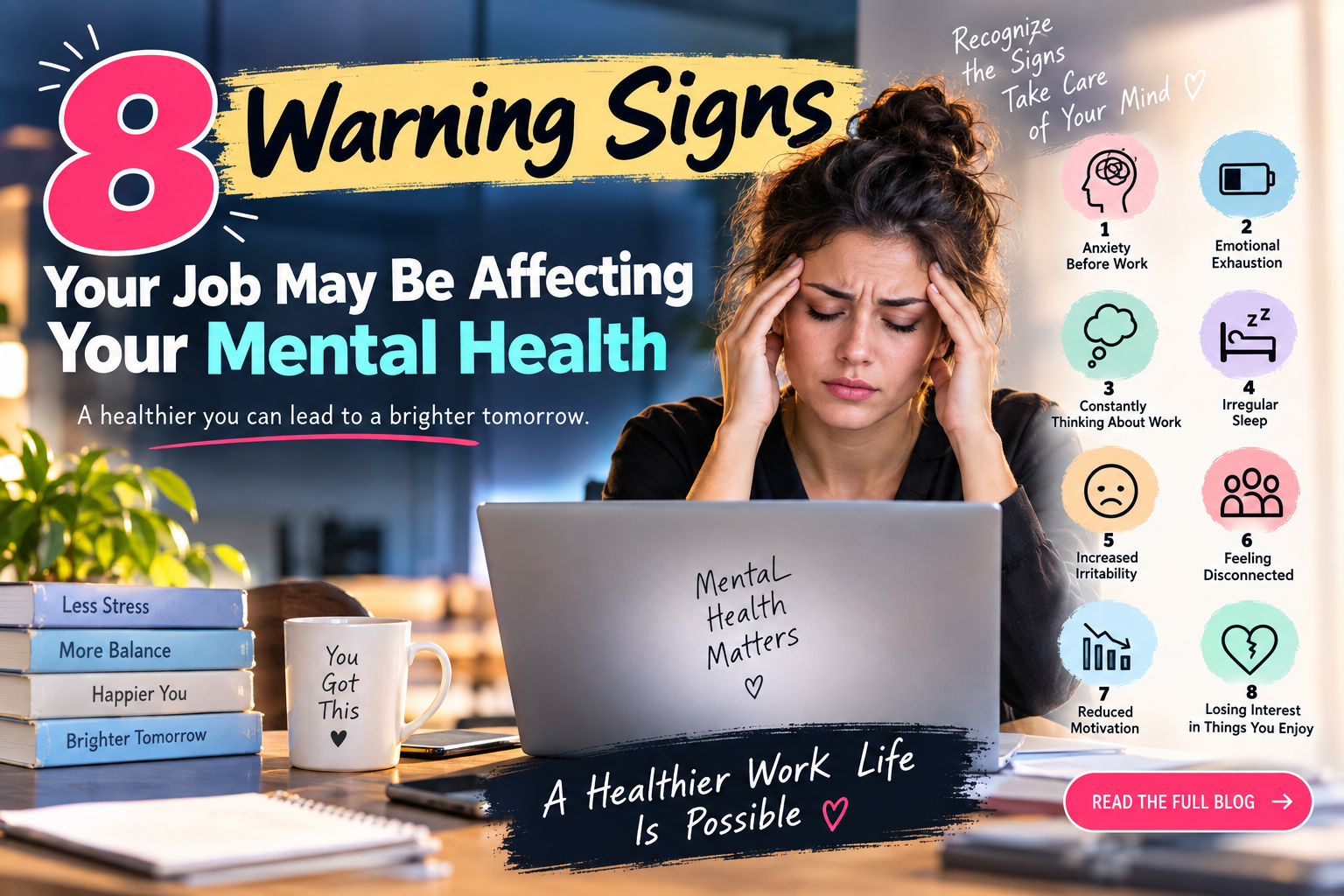
How Do You Know If Stress Is Affecting You?
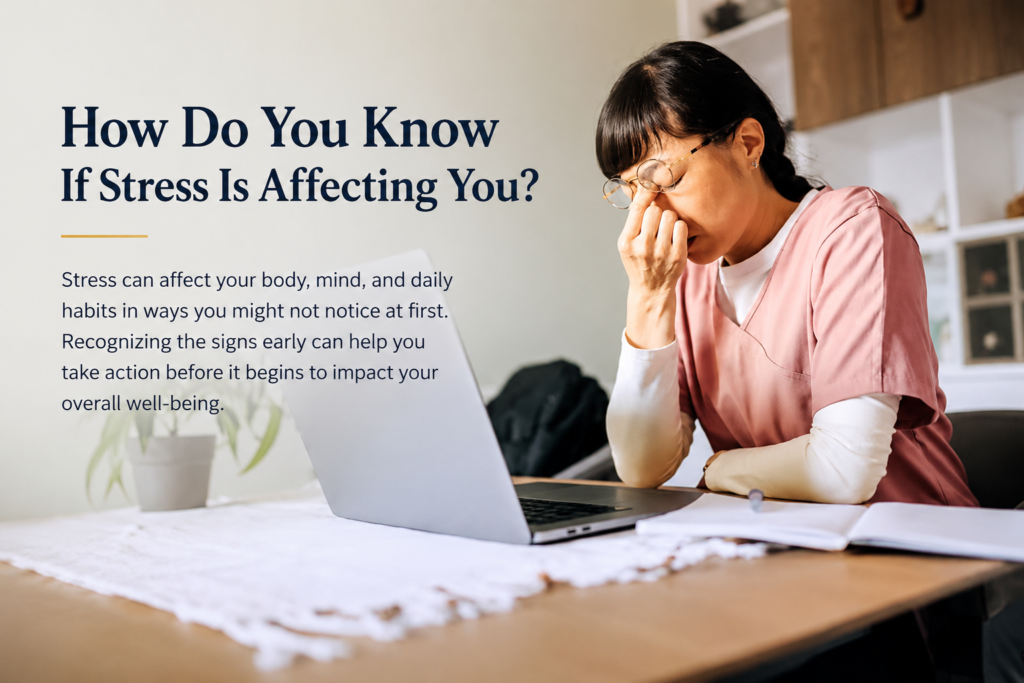
Stress can look different from person to person. One of the easiest ways to identify it is to look for changes from your normal physical, emotional, and behavioral patterns.
Emotional signs
- Irritability
- Feeling overwhelmed
- Constant worrying
- Difficulty relaxing
- Feeling emotionally drained
- Increased sensitivity
Physical signs
- Muscle tension
- Headaches
- Fatigue
- Sleep problems
- Digestive changes
- Increased heart rate
Behavioral signs
- Avoiding people or responsibilities
- Changes in eating habits
- Difficulty staying productive
- Withdrawing from activities you normally enjoy
- Using unhealthy coping behaviors
The more signs you experience and the longer they continue the more important it becomes to address the underlying stress.
Short-Term Stress vs. Chronic Stress: Why Duration Matters
Short-term stress can be a normal response to a challenging situation, while chronic stress continues for an extended period and can become more difficult to manage.
For example, feeling nervous before an important presentation is temporary. Constantly feeling overwhelmed by work, relationships, or life circumstances for months is different.
Chronic stress can make it harder to:
- Sleep well
- Concentrate
- Regulate emotions
- Maintain healthy relationships
- Recover from daily demands
- Feel relaxed or present
The goal is not to eliminate every stressful experience. Instead, healthy stress management focuses on building the ability to recognize stress, respond to it, and recover effectively.
When Should You Consider Emotional Stress Counseling?
Emotional stress counseling can be helpful when stress begins interfering with your emotions, relationships, daily responsibilities, sleep, or quality of life.
You may want to consider professional support if:
- Stress feels constant or overwhelming.
- You cannot seem to switch off your thoughts.
- Your relationships are being affected.
- You regularly feel emotionally exhausted.
- Stress is interfering with work or daily activities.
- You are struggling to cope with a major life change.
- Your usual coping strategies are no longer working.
For people looking for emotional stress counseling in San Francisco, working with a qualified mental health professional can provide a structured and supportive environment to explore stress triggers and develop healthier coping strategies.
How Can Counseling Help With Emotional Stress?
Counseling can help you understand the sources of emotional stress and develop practical strategies for managing your thoughts, emotions, and responses.
Depending on your individual needs, counseling may help you:
- Identify recurring stress triggers
- Understand emotional patterns
- Develop healthier coping mechanisms
- Improve communication
- Set appropriate boundaries
- Process difficult experiences
- Build emotional resilience
- Learn relaxation and stress-management techniques
The goal is not simply to “think positively.” Effective counseling focuses on understanding what you are experiencing and finding realistic ways to respond.
What Can You Do Today to Reduce Stress?
Small, consistent changes can support stress management.
Try:
- Prioritize sleep. Give your body enough time to rest and recover.
- Move regularly. Walking, stretching, or other enjoyable physical activity can help release tension.
- Take intentional breaks. Step away from work or stressful situations when possible.
- Practice slow breathing. A few minutes of controlled breathing may help you feel more grounded.
- Talk to someone. Sharing what you’re experiencing can reduce the feeling of carrying everything alone.
- Identify your triggers. Notice which situations consistently increase your stress.
- Seek professional support when needed. You do not have to wait until stress becomes overwhelming.
Your Body May Be Telling You Something
Emotional stress and physical stress may look different, but they are deeply connected. The mind and body constantly communicate, and prolonged emotional pressure can show up through very real physical symptoms.
If stress is affecting your sleep, relationships, concentration, mood, or physical well-being, it may be time to look beyond temporary coping strategies.
With the right support, you can learn to recognize your stress patterns, understand your triggers, and develop healthier ways to respond.
If you’re searching for emotional stress counseling in San Francisco, professional counseling can be an important step toward better emotional balance and a healthier relationship with stress.