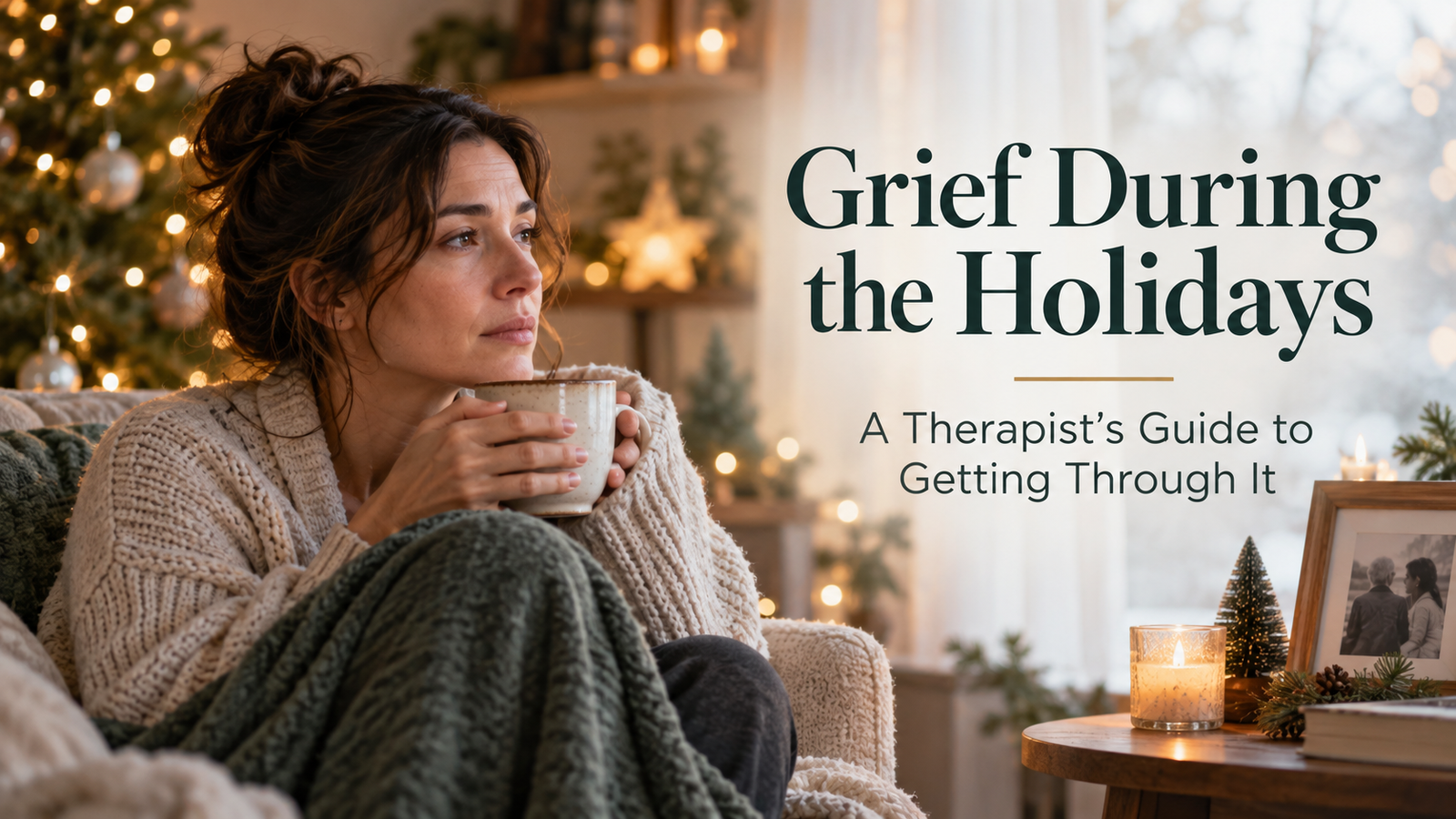
The holiday season is often associated with happiness, family gatherings, cherished traditions, and celebration. But when you are grieving the loss of someone you love, this time of year can feel very different. Familiar songs, family dinners, holiday decorations, and even the smell of a favorite meal can bring painful memories rushing back.
Grief during the holidays is a natural response to loss, and you do not have to force yourself to feel happy just because everyone else seems to be celebrating.
You can honor your emotions, adjust your traditions, and find support while moving through the season at your own pace.
Whether you are facing your first holiday without a loved one or experiencing renewed sadness years after a loss, understanding your grief can help you navigate this challenging time.
For individuals seeking Grief Coaching San Francisco, learning practical ways to manage emotional triggers, establish boundaries, and find meaningful support can make the holiday season feel more manageable.
Why Does Grief Feel More Intense During the Holidays?
Grief can feel more intense during the holidays because seasonal traditions, family gatherings, and cultural expectations often remind people of the person who is missing. These reminders can bring sadness, loneliness, anger, or unexpected waves of emotion.
Several factors can make holiday grief particularly difficult.
- Missing familiar traditions: You may miss cooking with a parent, decorating a tree with your partner, or watching a favorite holiday movie together.
- Feeling pressure to be happy: Holiday advertisements and social gatherings can create the impression that everyone should feel joyful.
- Facing an empty seat: Seeing an empty chair at the dinner table can make someone’s absence feel especially real.
- Experiencing family tension: Different relatives may have different expectations about how to remember a loved one or whether to continue familiar celebrations.
- Remembering previous holidays: Comparing this year’s celebrations with happier memories can intensify feelings of loss.
According to grief specialists, holidays can bring back memories associated with important relationships and traditions. These emotional reminders are not necessarily signs that you are moving backward in your healing process. They may simply reflect how meaningful that relationship remains to you.
Is It Normal to Feel Sad During the Holidays After Losing Someone?
Yes. Feeling sad, disconnected, irritable, or emotionally overwhelmed during the holidays is a common response to losing someone important. Grief does not follow a predictable timeline, and difficult emotions can return even when you have experienced periods of feeling better.
You might laugh with friends at a holiday dinner and cry when you return home. You might enjoy decorating your house but feel overwhelmed when you hear a song your loved one used to play. You might even feel relieved that someone is no longer suffering while simultaneously wishing they were still here.
These feelings can coexist.
It is also important to remember that grief is not limited to losing someone through death. A divorce, separation, estrangement, serious illness, or another major life change can create a sense of loss that becomes especially noticeable during the holidays.
You do not have to prove that you are healing by appearing happy. Giving yourself permission to experience different emotions can help you approach the season with greater self-compassion.
7 Practical Ways to Cope With Grief During the Holidays
You cannot always prevent grief from appearing during the holiday season, but you can prepare for difficult moments and give yourself more room to cope.
1. Give Yourself Permission to Feel Your Emotions
One of the most important steps in coping with holiday grief is allowing yourself to feel what comes up rather than pretending everything is fine.
You may feel sad when everyone else is laughing, or you may become emotional while preparing a familiar family recipe. Instead of criticizing yourself for these reactions, acknowledge them without judgment.
Try telling yourself:
- “It makes sense that I miss them today.”
- “I can feel sad and still enjoy a small moment of happiness.”
- “I do not need to rush my healing.”
- “My feelings are allowed to change throughout the day.”
You do not have to spend every moment processing your grief, either. Watching a movie, talking with a friend, or enjoying a peaceful walk can provide a welcome break without meaning that you are avoiding your loss.
2. Adjust Holiday Traditions to Fit Your Needs
You do not have to recreate every holiday tradition exactly as it was before your loss.
Some traditions may feel comforting because they keep memories alive. Others may feel too painful to continue this year. Both reactions are understandable.
Consider making adjustments such as:
- Preparing a simpler holiday meal instead of hosting a large gathering.
- Celebrating with a smaller group of supportive people.
- Traveling somewhere new if familiar surroundings feel overwhelming.
- Keeping one meaningful tradition while letting go of others temporarily.
- Starting a new ritual that reflects your current circumstances.
For example, if you always hosted a large family dinner with your late spouse, you might choose to have a quiet meal with two close friends this year. You can revisit the larger celebration when it feels right.
Changing a tradition does not mean forgetting someone. It means recognizing that your needs may have changed.
3. Find a Meaningful Way to Remember Your Loved One
Remembering someone you love can help you maintain a sense of connection while acknowledging their absence.
You do not need to create an elaborate memorial or organize a formal ceremony. Small, personal gestures can be meaningful.
Consider these ideas:
- Light a candle in their memory.
- Prepare their favorite holiday dish.
- Share a favorite story about them with family.
- Display a photograph or meaningful keepsake.
- Make a charitable donation to a cause they cared about.
- Listen to music that reminds you of them.
- Write a letter expressing what you wish you could tell them.
Choose something that feels comforting rather than something you feel obligated to do.
If remembering your loved one feels too painful this year, it is okay to wait. There is no deadline for creating a remembrance ritual.
4. Set Boundaries With Family and Friends
Family members may encourage you to attend every gathering, maintain old traditions, or participate in celebrations because they believe it will help you feel better.
However, even well-intentioned expectations can become overwhelming when you are grieving.
You are allowed to decide how much social interaction feels manageable.
For example, you might tell a relative:
“Thank you for inviting me. I would love to see everyone, but I may only stay for an hour this year. I hope you understand.”
Other helpful boundaries include:
- Declining invitations without providing a lengthy explanation.
- Asking someone else to handle hosting responsibilities.
- Avoiding conversations that feel intrusive or upsetting.
- Taking breaks during gatherings.
- Leaving early when you feel emotionally exhausted.
Setting boundaries is not a rejection of the people who care about you. It is a way to protect your emotional energy while you navigate a difficult period.
5. Create a Simple Plan for Difficult Moments
Grief can appear unexpectedly, even when you believe you are prepared.
A familiar song might bring tears to your eyes at a shopping center. You might feel overwhelmed while setting the dinner table or notice sadness building as the evening approaches.
Having a simple coping plan can help you respond to these moments without feeling completely unprepared.
Your plan might include:
- Pause: Give yourself a moment instead of trying to push the emotion away.
- Breathe: Take a few slow, comfortable breaths and notice your surroundings.
- Identify what you need: You may need privacy, reassurance, a short walk, or someone to talk to.
- Reach out: Contact a trusted friend or family member if you do not want to be alone.
- Adjust your plans: Give yourself permission to leave an event or take a break.
You do not need to make every difficult feeling disappear. The goal is to help yourself move through the moment with care.
6. Protect Your Physical and Emotional Well-Being
Grief can affect sleep, appetite, concentration, and energy levels. Holiday preparations may add another layer of exhaustion.
Try to maintain a few basic routines, even if you cannot manage everything as usual.
- Eat regular meals when possible.
- Make room for adequate sleep and rest.
- Take gentle walks or spend time outdoors.
- Limit obligations that leave you feeling depleted.
- Stay connected with people who respect your feelings.
- Be mindful of using alcohol or other substances to numb emotional pain.
Small actions can provide stability when other parts of life feel uncertain.
Remember that self-care does not have to involve elaborate routines or expensive activities. Sometimes it means taking a shower, ordering dinner instead of cooking, or allowing yourself an uninterrupted evening at home.
7. Ask for Support When Grief Feels Overwhelming
You do not have to navigate holiday grief alone.
Talking with someone who listens without judgment can help you express emotions, understand difficult reactions, and explore ways to cope with reminders of your loss.
Support may come from a trusted friend, a grief support group, a counselor, or a qualified therapist. Some people also find grief coaching helpful for identifying personal goals, creating manageable routines, and navigating difficult transitions.
If your grief is making everyday responsibilities increasingly difficult, or if persistent hopelessness, anxiety, or isolation is affecting your well-being, consider seeking professional mental health support.
Reaching out does not mean you are failing to cope. It means you are giving yourself additional resources during a challenging time.
Should You Keep Holiday Traditions or Start New Ones? A Comparison
There is no single correct way to celebrate after losing someone. Some people find comfort in maintaining familiar traditions, while others benefit from making changes.
The best approach is the one that supports your emotional needs rather than the one that satisfies everyone else’s expectations.
| Keeping familiar traditions | Creating new traditions |
| Can provide a sense of familiarity and continuity. | Can reduce pressure to recreate painful memories. |
| Offers opportunities to remember a loved one. | Allows you to explore what feels meaningful now. |
| May feel comforting when shared with supportive people. | May be helpful when old routines feel overwhelming. |
| Can be emotionally difficult if the tradition highlights an absence. | Can feel unfamiliar or uncomfortable at first. |
Which option is better? Neither is automatically better. You can preserve some traditions, change others, and skip activities that feel too difficult.
For example, you might continue making your mother’s favorite dessert but decide not to host the large family gathering she used to organize. This approach allows you to honor the past while making space for your present needs.
You can also change your mind next year. Holiday traditions are not permanent obligations.
A Real-Life Example: Navigating the First Holiday After a Loss
Consider a hypothetical example of someone named Sarah, who recently lost her father.
Every December, Sarah’s father would help decorate the family home, prepare a special meal, and tell the same stories that made everyone laugh. After his death, Sarah finds herself dreading the holiday season.
Her family wants to continue their usual celebration, believing that maintaining the tradition will help everyone feel connected. Sarah, however, feels overwhelmed by the thought of preparing the meal her father loved.
Initially, she considers avoiding the celebration entirely. She worries that attending will make her sad and that staying away will disappoint her family.
Instead, Sarah decides to talk openly with her relatives. She explains that she wants to spend time with them but cannot manage all the usual preparations.
Together, they make a few changes:
- Her brother takes responsibility for preparing the main meal.
- The family shares one favorite memory of her father during dinner.
- Sarah attends the gathering without committing to staying all evening.
- The family agrees that anyone who feels emotional can take a break without explanation.
Sarah still misses her father. She cries when someone tells a familiar story and feels his absence throughout the evening. But she also experiences moments of warmth and connection.
Her grief has not disappeared, and the holiday has not become easy overnight. However, she has discovered that she can honor her father without carrying the entire celebration on her shoulders.
The lesson: Coping with grief does not require eliminating sadness. Sometimes, it means finding a way to make room for sadness, connection, and meaningful moments at the same time.
How Can You Handle Guilt When You Enjoy the Holidays Again?
Many grieving people experience guilt when they laugh, enjoy a celebration, or begin creating new memories after a loss. They may wonder whether feeling happy means they are forgetting the person they loved.
It does not.
Grief and happiness can exist together. Enjoying a meal with friends does not diminish your relationship with someone who has died. Smiling at a family gathering does not mean that you miss them any less.
You can acknowledge your loss while allowing yourself to experience moments of comfort.
When guilt appears, consider asking yourself:
- Would I want someone I love to feel guilty for experiencing happiness?
- Can I appreciate this moment without denying my sadness?
- What would it look like to honor my loved one while continuing to live my life?
You do not need to choose between remembering someone and finding joy again. Both can be part of your healing journey.
How Grief Coaching in San Francisco Can Help During the Holidays
Grief coaching can provide a supportive space to explore your feelings, identify personal coping strategies, and make decisions about navigating the holiday season.
For people seeking Grief Coaching San Francisco, support may be particularly helpful when holiday expectations, family responsibilities, and painful reminders of loss begin to feel difficult to manage.
Depending on the provider’s qualifications and approach, grief coaching may help you:
- Identify situations that trigger sadness or emotional overwhelm.
- Establish boundaries around holiday gatherings and family expectations.
- Develop practical routines for managing difficult days.
- Explore meaningful ways to remember a loved one.
- Navigate changes in identity, relationships, and daily life after loss.
- Set realistic goals while allowing yourself time to grieve.
Grief coaching and psychotherapy are not interchangeable. Coaching generally focuses on coping, reflection, and personal goals, while psychotherapy can address mental health symptoms and provide clinical treatment when appropriate. A qualified mental health professional can help you determine which type of support best fits your needs.
If you are struggling with persistent depression, severe anxiety, trauma-related symptoms, or thoughts of harming yourself, seek appropriate mental health or crisis support rather than relying on coaching alone.
You deserve support that respects both your grief and your individual circumstances.
What Should You Remember About Grief During the Holidays?
The most important thing to remember is that you do not have to experience the holidays the way you did before your loss.
This season may look different. You may need more rest, fewer commitments, new traditions, or additional support. You may feel peaceful one day and overwhelmed the next.
None of these experiences means you are grieving incorrectly.
Give yourself permission to adjust your plans, honor your loved one in ways that feel meaningful, and accept help when you need it. You can take part in celebrations without pretending to be happy, and you can step away without feeling guilty.
If the holiday season feels especially difficult this year, take it one day at a time. You do not need to figure out the entire season today.
With patience, compassion, and appropriate support, it is possible to carry your memories forward while gradually finding room for new experiences.
Final Thoughts
Grief during the holidays can make an already emotional season feel lonely, exhausting, and unpredictable. The pressure to celebrate may intensify the pain of missing someone, but you do not have to hide your feelings or meet anyone else’s expectations.
Start with small steps. Choose the traditions that bring comfort, establish boundaries that protect your well-being, and reach out to people who can listen without trying to fix everything.
If you need additional guidance, exploring grief coaching or counseling in San Francisco may help you develop a more manageable approach to the season.
You do not have to leave your grief behind to move forward. You can remember the person you love, make room for your feelings, and take the next step at your own pace.